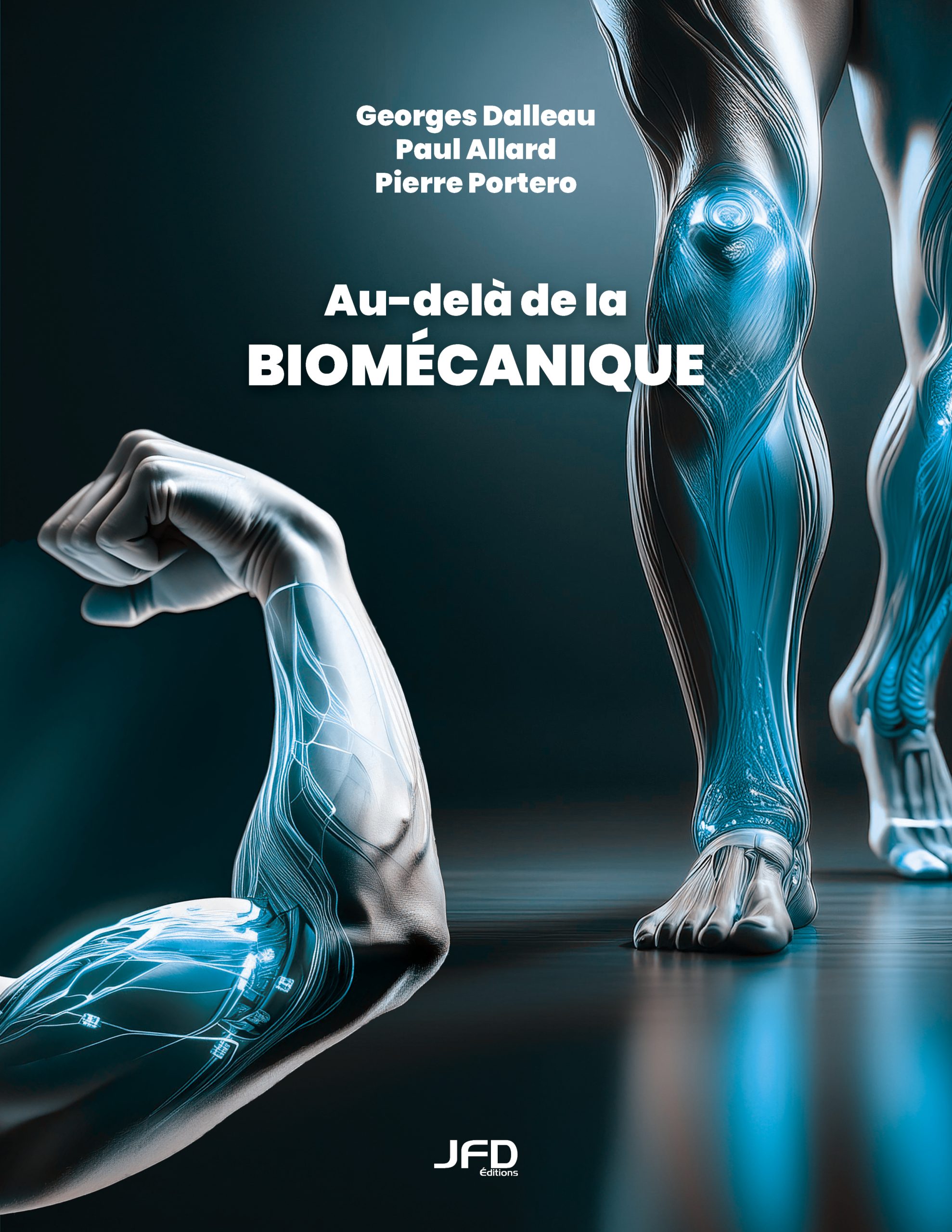
The human body is a marvellous machine that enables each and every one of us to carry out a multitude of utilitarian, leisure and sporting activities. However, this machine is subject to mechanical stresses that we need to be aware of in order to better understand and, if possible, limit the painful or disabling consequences.
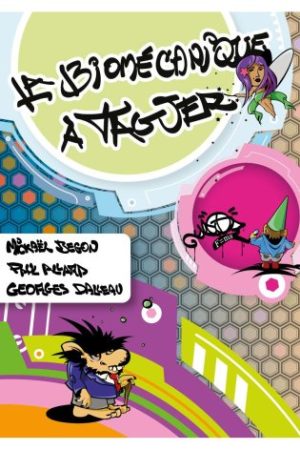
It's not just a clattering of cogs and pistons; it's made up of biological tissues interacting with the central nervous system. All this gives rise to the principles that make up the biomechanics lessons. What's the right posture, standing or sitting? How do we lift a load? What stresses are exerted on our locomotor system? How do our various tissues react and adapt? How do our muscles work, and how efficient are they? These are just some of the questions addressed in this book.
Each chapter is accompanied by questions and answers for self-assessment. Readers will find information on human posture and locomotion, as well as on the consequences and effectiveness of their movements. Pathological situations are also illustrated. The basics of tissue mechanical behavior are covered. The mechanics of muscular contraction and its energetic and electrical manifestations are explained. Simple tools are also presented to assess, for example, dangerous handling, muscle work or postural balance. This manual is a necessary complement to gesture analysis, as it describes bones and muscles in action.
Georges Dalleau is University Professor in the STAPS department at the Université de la Réunion. His teaching focuses on human biomechanics, functional anatomy and ergometry. His main areas of research are postural balance and muscular function, in relation to performance and health.
Paul Allard is a full professor at the Université de Montréal's School of Kinesiology and Physical Activity Sciences. In addition to teaching biomechanics and anatomy at the undergraduate level, his research activities focus on posture and locomotion in young people and adults with reduced mobility.